Imperial Beach And Coronado: Comparing Coastal Lifestyles
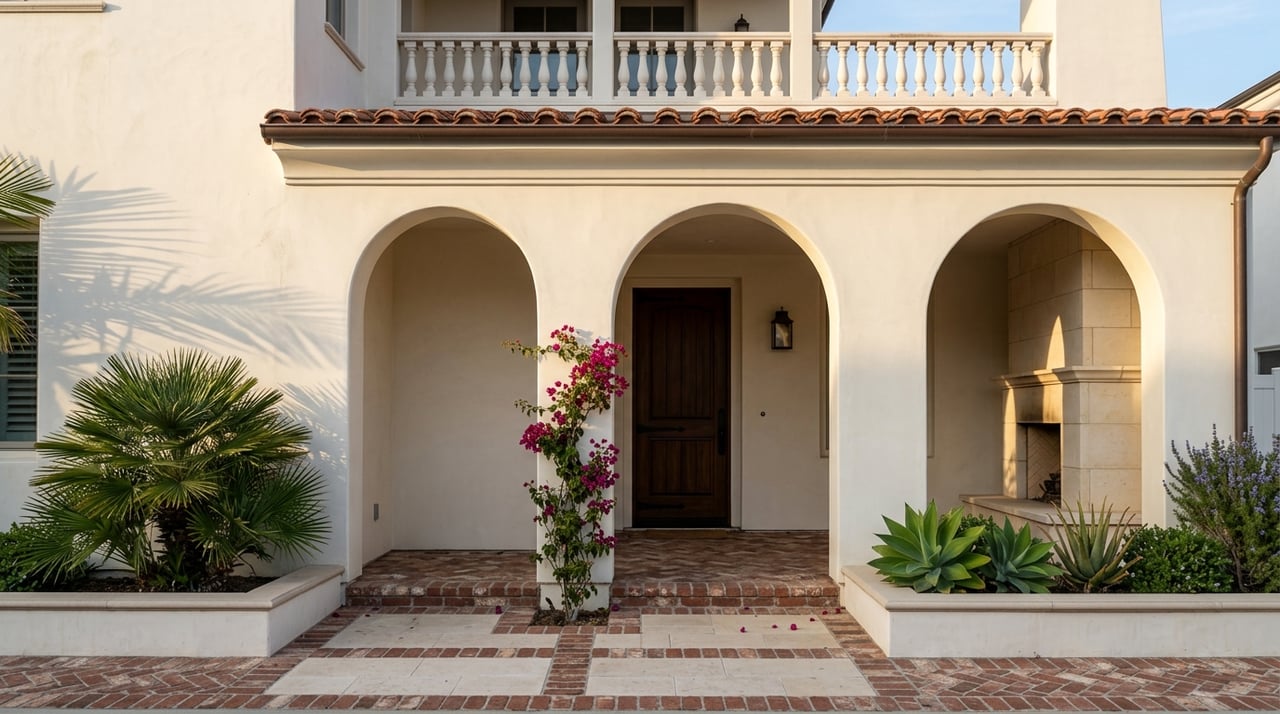
If you are deciding between Imperial Beach and Coronado, you are really choosing between two different versions of coastal living. Both sit along the same stretch of south San Diego shoreline, but the day-to-day feel, public spaces, and housing patterns create distinct experiences. This guide will help you compare how each city lives, moves, and feels so you can better picture where you may feel most at home. Let’s dive in.
Imperial Beach and Coronado both offer direct access to the coast, but their shorelines read very differently in official city materials. Imperial Beach highlights 3.5 miles of uncrowded white-sand beach, a wooden pier, border views, and easy access to nearby restaurants and shops. Coronado, by contrast, sits between San Diego Bay and the Pacific and connects to the mainland by the Silver Strand and the Coronado Bridge.
For many buyers, that difference shapes the first impression. Imperial Beach can feel more open and beach-first, with shoreline activity spread across a longer stretch of sand. Coronado feels more compact and more closely tied to a resort and village pattern, with a wide sandy beach about 1.75 miles long and year-round lifeguards at Central Beach.
Imperial Beach leans more clearly into surf culture in its city materials. The city points to Surfhenge, a surfboard museum, and the Tijuana Sloughs big-wave break, along with a Junior Lifeguard Program that includes surfing, bodyboarding, and ocean awareness. If you picture your ideal weekend around waves, pier walks, and a looser surf-town rhythm, Imperial Beach may feel like a natural fit.
The city also posts red flags near the pier and jetties for rip and longshore currents. That is a practical reminder that beach enjoyment here comes with paying attention to posted safety conditions. For buyers who value active shoreline use, this surf-centered identity is part of Imperial Beach’s appeal.
Coronado also supports an active beach lifestyle, but the experience is more formally organized. The city identifies designated swimming and surfing zones, beach wheelchairs, Dog Beach at the north end, fire-ring policies, and permit rules for larger gatherings. That structure can appeal to buyers who want a polished beach routine with clearly managed public spaces.
Coronado’s public-property rules are also more explicit in city materials, including no smoking or alcohol on public property. Imperial Beach similarly bans open containers on beaches, the pier, parks, and playgrounds, and it restricts glass on the beach and pier. In both places, understanding local beach rules is part of enjoying the coastline responsibly.
Imperial Beach organizes much of daily life around the shoreline and neighborhood parks. Dunes Park and Portwood Pier Plaza include playgrounds, fitness equipment, picnic tables, barbecues, stage space, beach access, and nearby shops and dining. Reama Park, Veterans Park, and the Sports and Skate Park add more options for play, recreation, and community gathering.
The city also operates a Senior Community Center with classes and a lunch program, and the San Diego County Library runs the Imperial Beach branch. If you are looking for a casual coastal setting where parks and beach access are woven into everyday routines, Imperial Beach presents that clearly.
Coronado’s public realm is broader and more layered. The city says it maintains 18 public parks, a Community & Aquatics Center, a public library, a boat launch, dedicated bike and walking paths, and the Coronado Golf Course. The Boathouse adds access to kayaks, stand-up paddleboards, and rowing shells.
That lineup gives Coronado a more institutionally developed feel. If your ideal coastal lifestyle includes a wide range of civic amenities, organized recreation, and access to both bay-oriented and beach-oriented activities, Coronado offers a fuller public amenity network.
One of the biggest lifestyle differences between Imperial Beach and Coronado is how everyday destinations are arranged. In Imperial Beach, the city emphasizes restaurants and retail close to the beach, including ocean-view dining. The pattern feels beach-first, with casual conveniences connected closely to the shoreline.
In Coronado, shopping and dining are concentrated more heavily in the downtown core and along Orange Avenue. The city highlights a vibrant business district, pedestrian sidewalks, and a managed storefront environment, with additional activity around Ferry Landing. For some buyers, that creates a more village-centered routine where dining, errands, and strolling often happen along a central corridor rather than directly around the sand.
Imperial Beach planning materials show a straightforward coastal housing mix. The city’s housing and zoning references include single-family residential and multifamily residential uses, and the housing department works with both renters and homeowners. That supports a neutral description of Imperial Beach as a place with a mix of detached homes and denser coastal housing.
For buyers, this can translate to a market that feels relatively direct in layout and housing type. You may see a practical range of ownership and living options within a community that stays closely connected to its shoreline identity.
Coronado’s planning framework is more layered. City materials define single-family dwellings, ADUs and carriage houses, duplexes, and multifamily dwellings or condominium complexes. The planning division also tracks distinct areas including Coronado Village, the Orange Avenue Corridor, Coronado Cays, and the Hotel del Coronado planning area.
That structure matters if you are comparing not just a city, but specific subareas within it. In Coronado, lifestyle can vary meaningfully based on whether you are drawn to a village setting, waterfront living, condominium ownership, or a resort-adjacent residence. For buyers seeking a more tailored coastal experience, that variety can be a major advantage.
If you are comparing Imperial Beach and Coronado, the choice is less about which place is better and more about which daily rhythm fits you best. Imperial Beach tends to read as open, surf-oriented, and closely tied to pier life, parks, and beach access. Coronado tends to read as village-centered, resort-linked, and shaped by a broader civic amenity base with more formal beach and downtown management.
A simple way to think about it is this:
If Coronado is part of your search, it can help to work with a local team that understands the nuances between village homes, waterfront properties, resort residences, and investment-oriented ownership. That level of guidance becomes especially useful when your lifestyle goals are as important as the property itself.
Whether you are exploring a full-time move, a second home, or an ownership opportunity tied to coastal living, the right local perspective can make your decision clearer. For tailored guidance on Coronado real estate, resort residences, leasing, or property management, schedule a concierge consultation with Del Coronado Realty.

Practical Staging Ideas to Help Your Island Property Shine for Every Showing.

A Local's Guide to the Island's Top Patios, Waterfront Tables, and Sunset Seats.
Del Coronado Realty has the exclusive ability to showcase your home to over 500,000 discerning guests annually. Located in the retail corridor of the Hotel Del, just steps away from the main lobby, Del Coronado Realty is accessible seven days a week to the hotel's many patrons. As Coronado Realtors®, the team's experience and local market knowledge is unsurpassed.