By Del Coronado Realty
Coronado homes sit in a coastal environment shaped by salt air, marine layers, and wind off the bay, which can affect exterior metals, windows, and roof edges over time. I help clients approach the inspection period with a clear plan, because a well-run inspection protects both comfort and long-term upkeep.
This walkthrough breaks down the home inspection Coronado, CA process into practical steps that fit local housing styles.
Key Takeaways
- Inspection timeline basics
- Coastal condition priorities
- Specialist checks to consider
- Repair planning strategy
Step 1: Schedule the Inspection and Set the Scope
In Coronado, scheduling often moves quickly once an offer is accepted, especially when access involves a gate code, a condo front desk, or HOA rules.
What to confirm when booking
- Property access plan: Lockbox, tenant coordination, or HOA check-in requirements.
- Inspection format: Written report with photos and a same-day summary conversation.
- Add-on options: Sewer scope, roof review, or pool/spa evaluation if applicable.
I recommend locking in an inspector early and confirming whether the home inspection in Coronado, CA appointment will include attics, crawlspaces, garages, and exterior roof views.
Step 2: Walk the Exterior First in a Coastal Environment
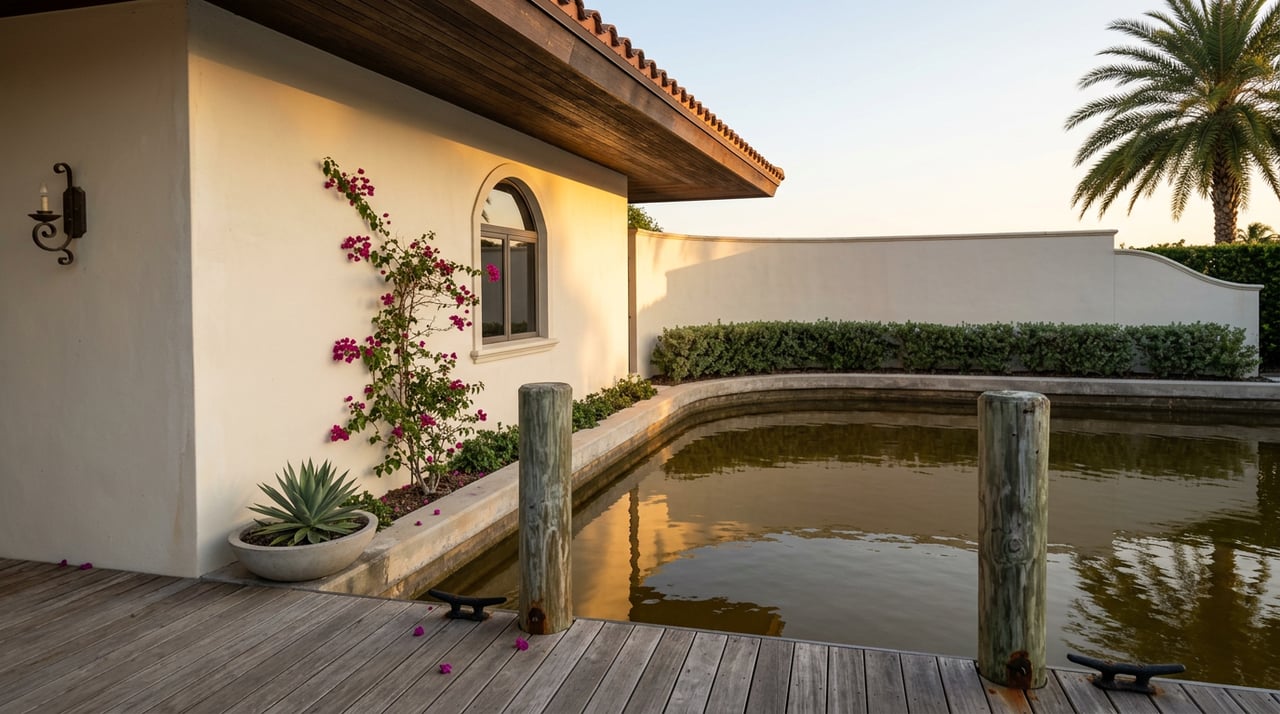
Coronado’s salt air can accelerate corrosion on railings, fasteners, exterior fixtures, and some window components, especially close to the beach.
Exterior items that deserve attention
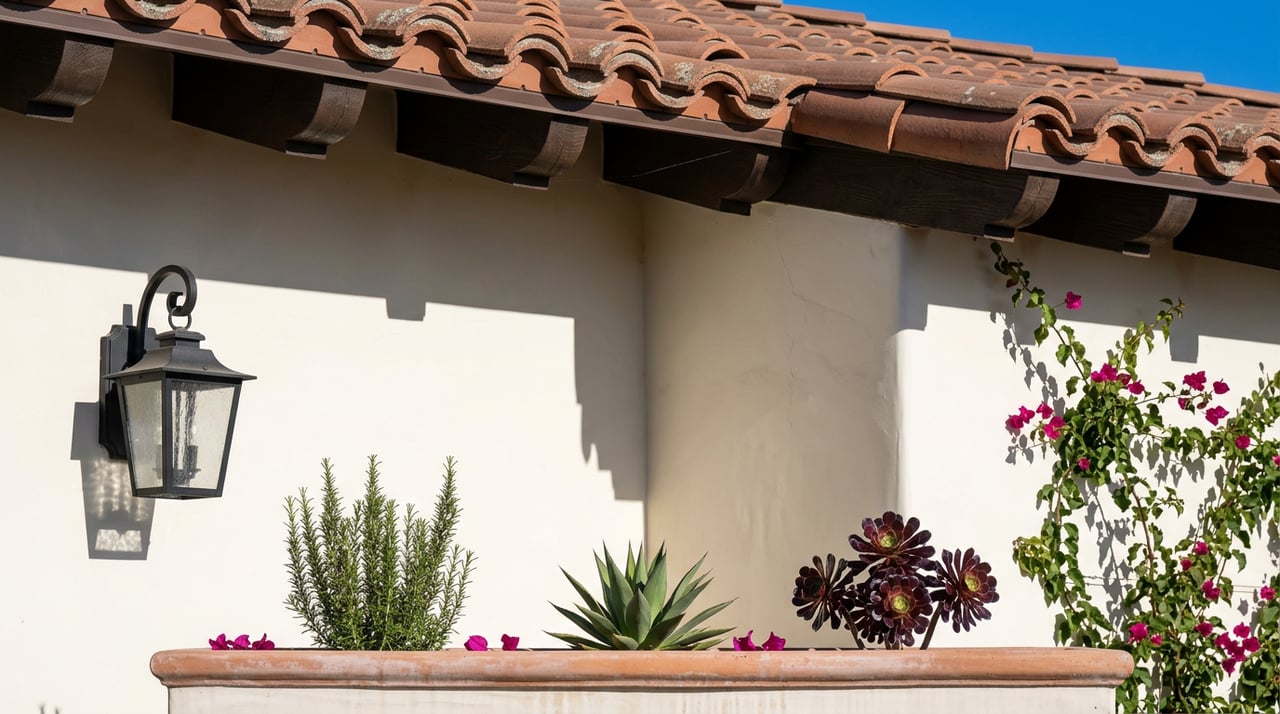
- Roof edges and flashing: Areas where wind and moisture can test seals over time.
- Stucco and trim condition: Cracks, gaps, and paint wear around corners and openings.
- Balconies and decks: Railings, waterproofing surfaces, and attachment points.
A strong inspection starts outside, where drainage, stucco condition, decks, and exterior penetrations set the tone for the rest of the report.
Step 3: Review Foundations, Crawlspaces, and Moisture Pathways
Many Coronado properties have crawlspaces or raised foundations where ventilation and moisture control matter for comfort.
Crawlspace and foundation priorities
- Ventilation and access: Clear entry points and air flow support healthy conditions.
- Plumbing and drain lines: Leaks and older fittings often show up below the floor.
- Evidence of moisture: Staining, musty odors, and soft wood deserve follow-up.
Inspectors typically look for signs of seepage, wood condition, plumbing leaks, and how the ground slopes away from the structure.
Step 4: Evaluate Electrical, Panels, and Safety Devices
Electrical systems vary widely across Coronado's housing stock, from older cottages to newer condo remodels with modern panels and circuits.
Electrical items commonly reviewed
- Main service panel: Labeling, breaker condition, and signs of heat or corrosion.
- Outlet and switch testing: Function checks in kitchens, baths, and exterior areas.
- Safety devices: Smoke alarms, carbon monoxide alarms, and GFCI locations.
The inspection focuses on panel condition, wiring observations, GFCI placement, and functional testing of outlets and switches.
Step 5: Inspect Plumbing, Water Pressure, and Fixtures
Coronado homes can include older supply lines, updated remodel plumbing, or condo building plumbing shared across units, so the context matters.
Plumbing details that matter
- Water heater setup: Venting, strapping, and age-related maintenance indicators.
- Fixture function: Faucet flow, toilet stability, and shower drainage performance.
- Visible supply and drain lines: Materials used and signs of prior repairs.
Plumbing findings often influence the next steps for specialists or contractor estimates. They also help prioritize repairs that affect daily comfort immediately.
Step 6: Understand HVAC and Ventilation in Marine Conditions
Inspectors generally test operation, note filter condition, and look at ducting or mini-split heads for maintenance needs.
HVAC and airflow items to check
- System operation: Heating and cooling response at the thermostat.
- Visible ducting and vents: Placement, airflow, and obvious gaps or damage.
- Bathroom and kitchen ventilation: Fans and vent paths that manage humidity.
Ventilation plays a major role in comfort when marine layers roll in. It also helps protect finishes and reduce moisture-related wear over time.
Step 7: When to Bring in Specialists
A general inspection identifies patterns and flags, and specialists confirm scope and solutions for specific systems.
Specialists who can add clarity
- Roof specialist: Detailed review of flashing, underlayment areas, and drainage points.
- Sewer scope provider: Camera check when age and layout suggest deeper review.
- Pool and spa technician: Equipment operation, heater condition, and leak observations.
In Coronado, specialists are especially useful when the property includes a pool, a complicated roofline, older sewer lines, or extensive remodel work.
Step 8: How to Read the Report and Prioritize Repairs
Inspection reports can feel long, so I help clients focus on safety, water intrusion, and major systems before cosmetic items.
A practical way to sort findings
- Immediate attention items: Water intrusion risks, electrical hazards, and active leaks.
- Near-term maintenance: Roof tune-ups, exterior sealing, and HVAC servicing.
- Future planning notes: Upgrades that improve comfort and long-term performance.
The goal is to translate the home inspection Coronado, CA findings into a short list of action items with clear timelines.
FAQs
How long does a typical Coronado inspection take?
Most inspections take a few hours, depending on size, access, and features like decks or multiple HVAC systems. Condos can move faster, while older homes with crawlspaces often take longer.
Should I attend the inspection in person?
Attending can help you understand the home’s systems and where shutoffs, filters, and panels are located. Many inspectors also offer a summary walk-through that highlights the most important items.
What is different about a home inspection in a coastal area?
Coastal conditions can influence corrosion, exterior sealing, and moisture management. Inspectors often pay close attention to windows, railings, flashing, and ventilation.
Contact Del Coronado Realty Today
A successful home inspection in Coronado, CA experience comes from pairing a thorough general inspection with the right specialist checks for Coronado’s coastal housing styles. We guide clients through scheduling, report interpretation, and repair planning with local context, whether the property is a Village cottage near Orange Avenue or a condo by Glorietta Bay.
Reach out to us at
Del Coronado Realty to map out your inspection plan before the clock starts and to make sure the right questions get answered during the contingency period.